
Burhanpur’s Heritage Sites: A Mughal-Era City in Madhya Pradesh with Stories Beyond Its Taj Connection
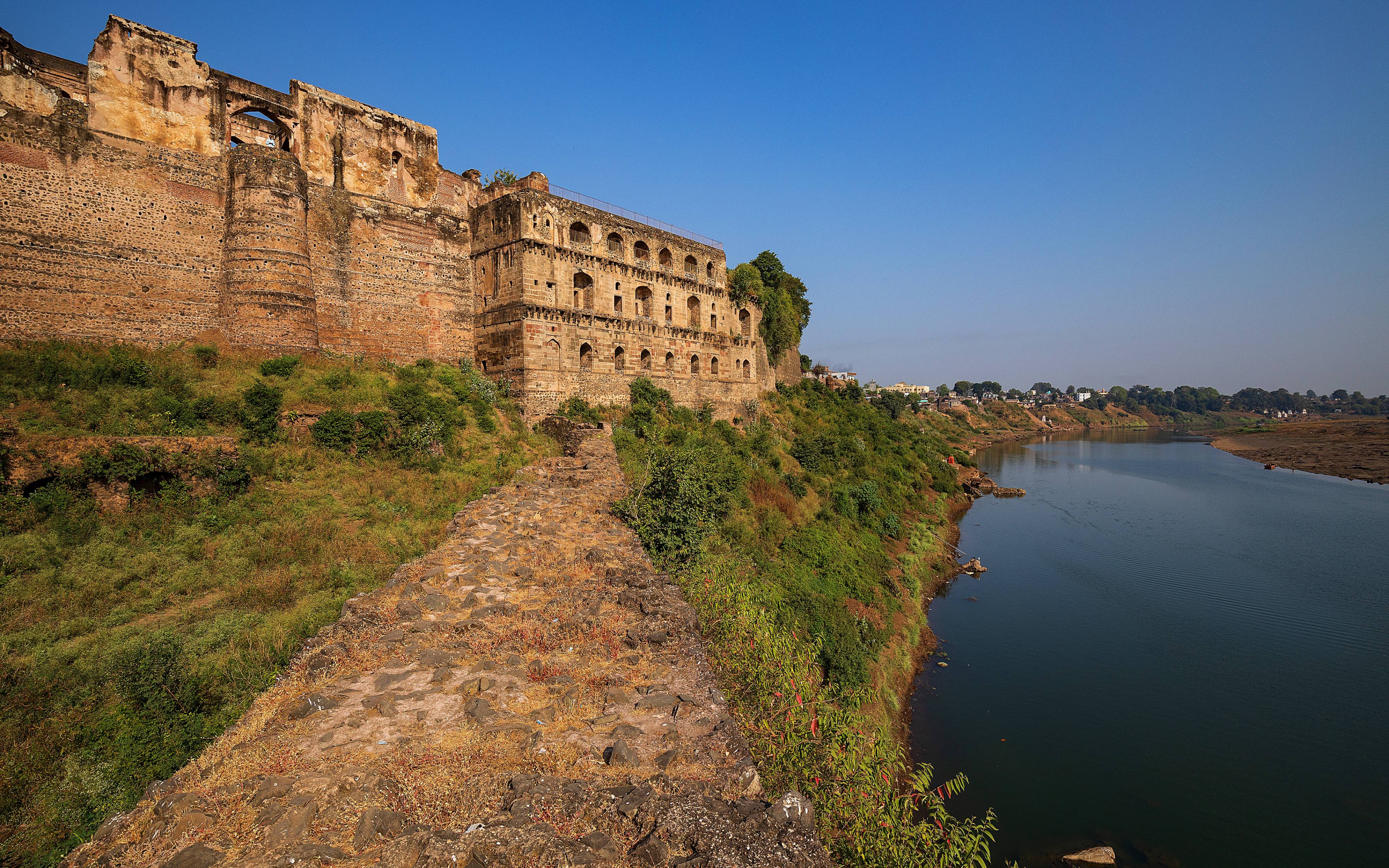
Shahi Qila - Burhanpur

Tomb of Shah Nawaz Khan - Burhanpur
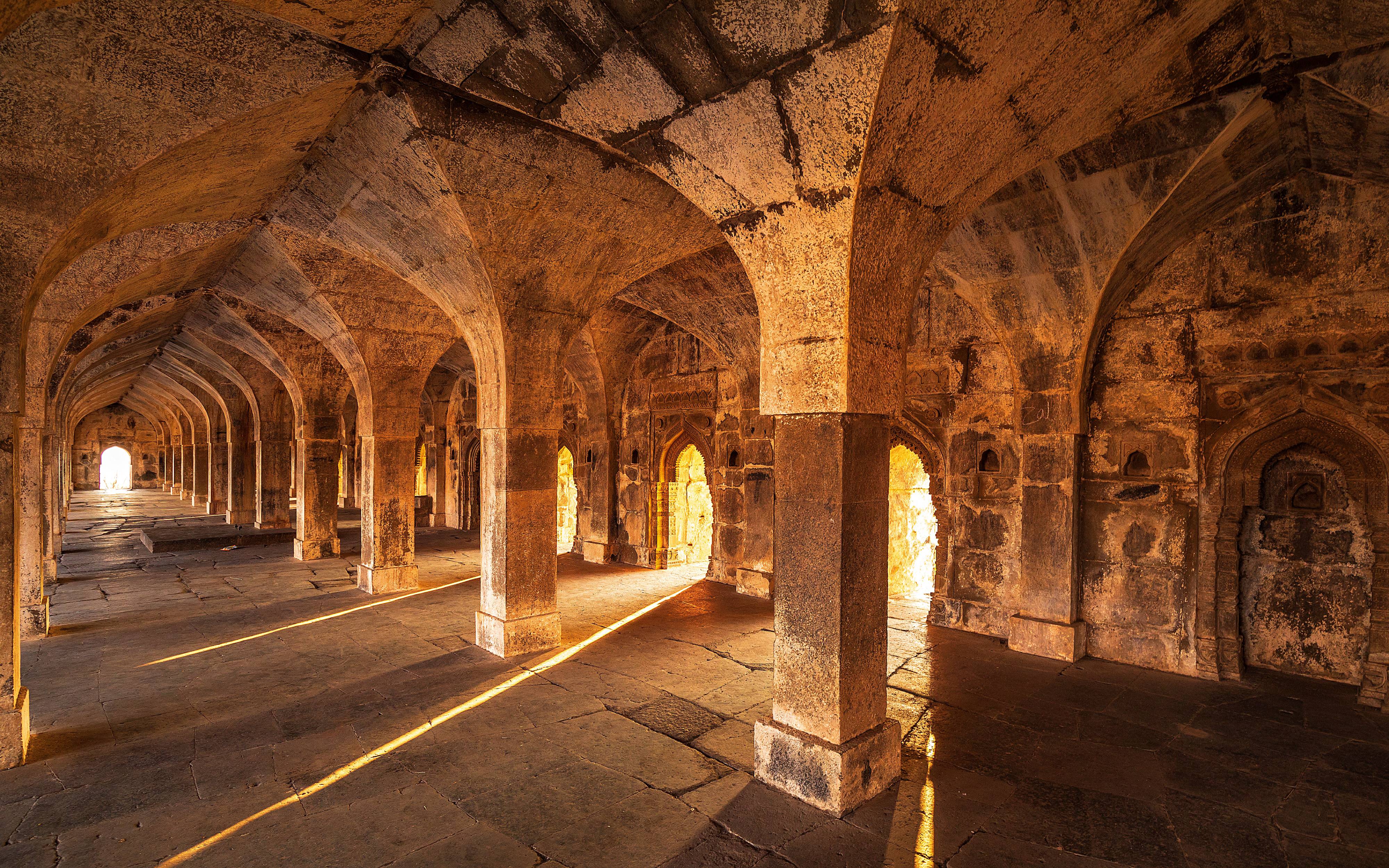
Asirgarh Fort - Burhanpur
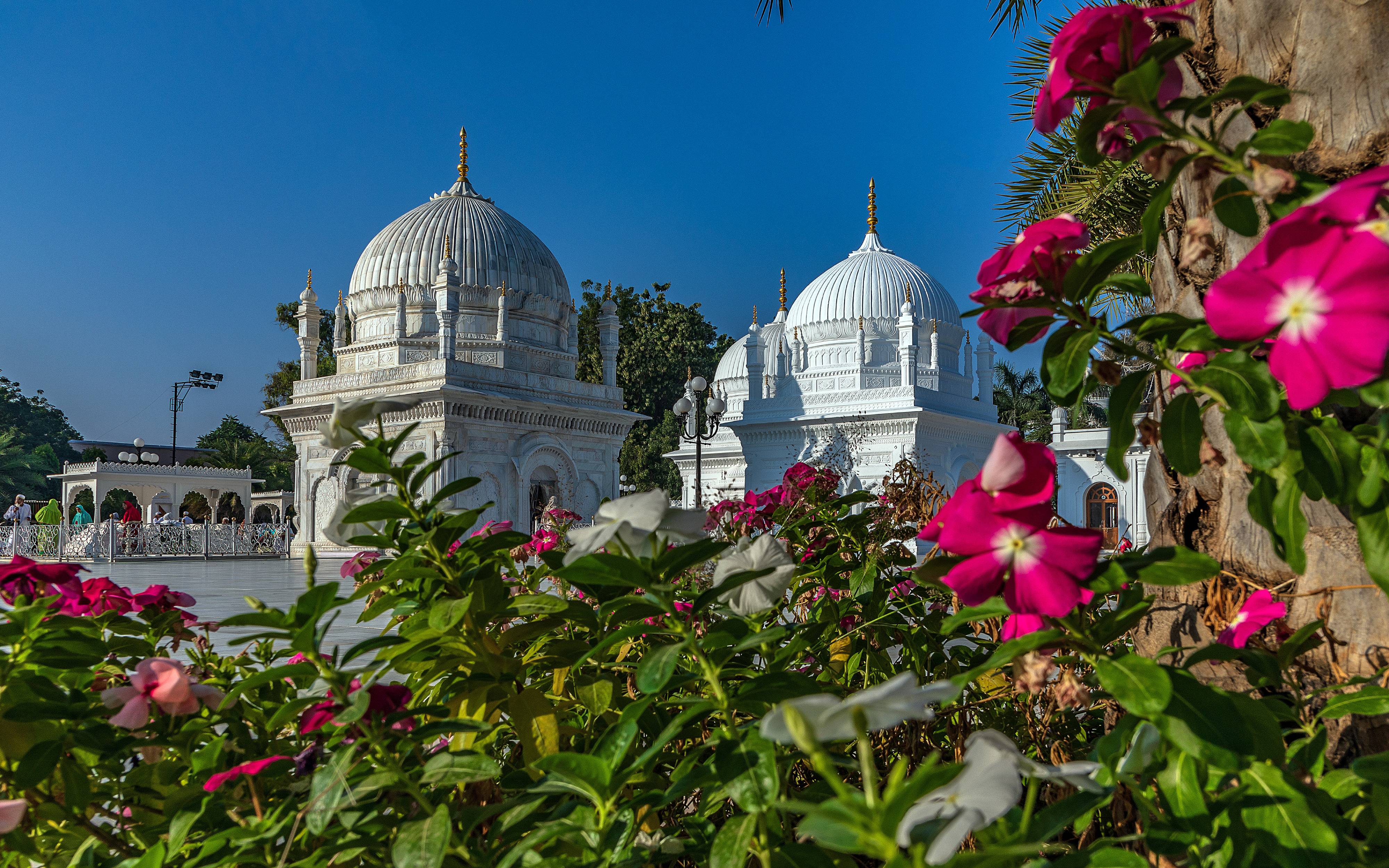
Dargah-E-Hakimi - Burhanpur
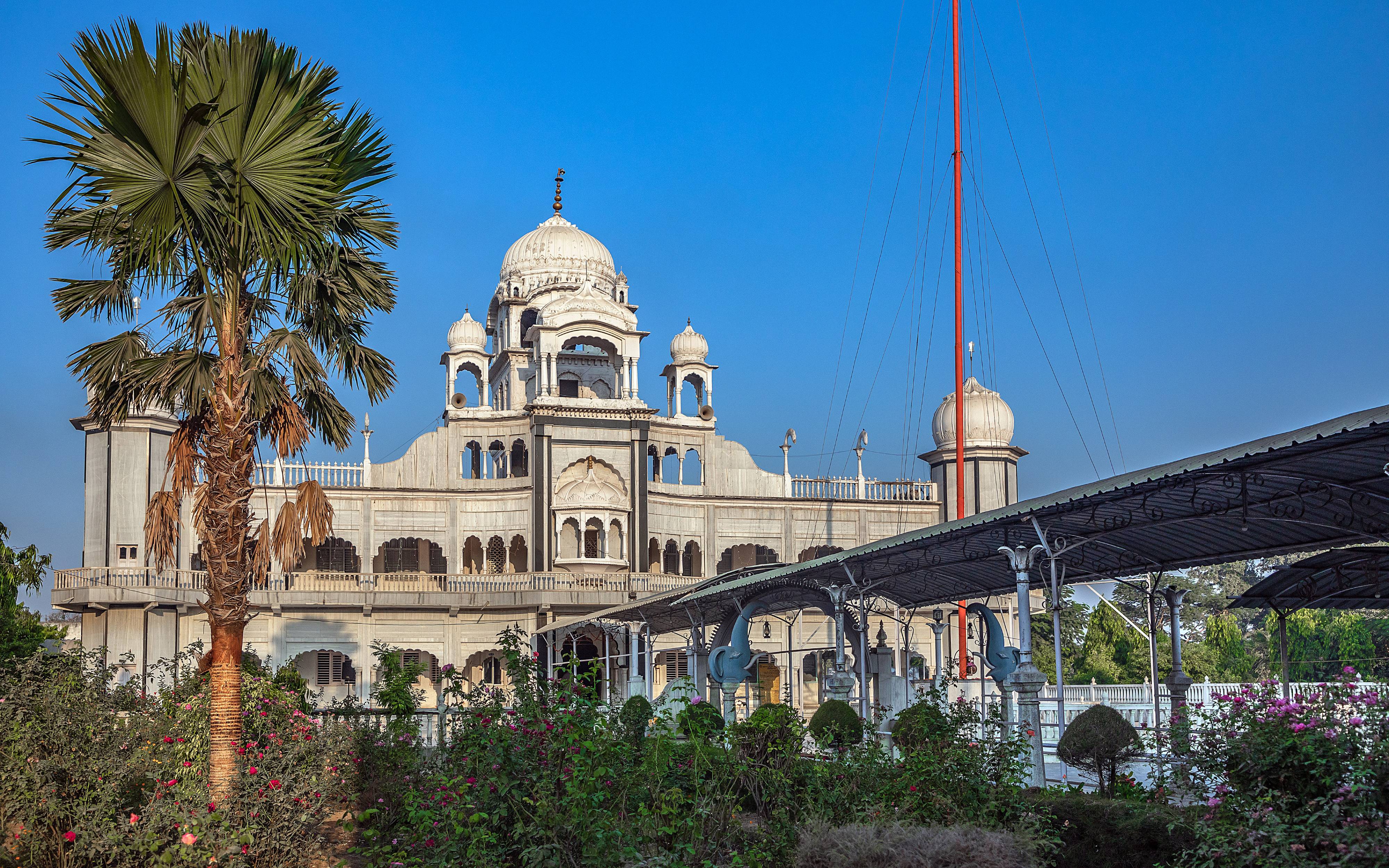
Gurudwara Shri Badi Sangat Sahib - Burhanpur
From a 17th-century water system on UNESCO’s Tentative List to the Black Taj, Burhanpur reveals a lesser-known legacy of Faruqi and Mughal architecture.
BHOPAL, MADHYA PRADESH, INDIA, July 21, 2026 /EINPresswire.com/ -- Nestled on the northern banks of the Tapti River in southwestern Madhya Pradesh, about 340 kilometers from Bhopal, Burhanpur is a city where centuries of history are etched into its monuments, gardens, forts and engineering marvels. Once the capital of the Faruqi Sultanate and later an important Mughal military headquarters and trading center, Burhanpur played a pivotal role in shaping the history of central India and the Deccan.For many, the city's name evokes a single historical episode—Mumtaz Mahal, wife of Mughal emperor Shah Jahan, died here in 1631 and was temporarily buried in Burhanpur before her remains were taken to Agra for the construction of the Taj Mahal. Yet this famous association represents only one chapter in Burhanpur's remarkable story.
As part of Madhya Pradesh's rich cultural landscape, Burhanpur offers a fascinating blend of Mughal architecture, Faruqi monuments, sophisticated water engineering, Sikh heritage and living religious traditions, making it one of the state's most rewarding yet lesser-known heritage destinations.
Khooni Bhandara: A 17th-Century Engineering Marvel
Among Burhanpur's most remarkable monuments is not a palace or a tomb, but an underground hydraulic system that demonstrates the technological sophistication of the Mughal period.
Commissioned in 1615 CE by Abdul Rahim Khan-i-Khana, Governor of Khandesh under Emperor Jahangir, the Khooni Bhandara—also known as Kundi Bhandara—was designed by the Persian geologist Tabkatul Arz using the ancient Iranian qanat system, adapted to the unique geology of the Satpura foothills.
The system consists of 103 vertical shafts (kundis) connected by a 3.9-kilometre underground tunnel that channels groundwater from the Satpura aquifers into the city entirely through gravity, eliminating the need for pumps or mechanical devices. Water collected in a central reservoir was distributed through terracotta pipelines to royal palaces, mosques and residential neighborhoods.
Its striking name—Khooni, meaning "bloody"—comes from the reddish tint caused by iron oxide in the soil through which the water flows.
The system supplied Burhanpur with water for more than three centuries before sections collapsed in 1977. Today, 32 of the original 103 kundis survive, while six of the eight waterworks continue to function and still provide water to parts of the city. Recognizing its exceptional engineering significance, the Khooni Bhandara has been included on UNESCO's Tentative List of World Heritage Sites and is protected by Madhya Pradesh's Directorate of Archaeology, Archives and Museums. Visitors can descend into parts of the underground canal through a specially designed access point.
Shahi Qila and Ahukhana: Tracing the Mughal Court
Overlooking the Tapti River, the Shahi Qila served as the Mughal administrative and residential headquarters during the Deccan campaigns. Shah Jahan spent considerable time here, and it was within these palace walls that Mumtaz Mahal passed away.
The fort-palace reflects a blend of Persian, Turkish and Indian architectural influences. Its beautifully designed hammam still preserves Persian-style decorative elements, while one of its painted ceilings is believed to have been commissioned by Shah Jahan himself. The fort remains open to visitors, with an entry fee of ₹25.
Across the river lies Ahukhana, a royal Mughal garden and hunting retreat laid out in the classic Persian charbagh style. The complex once featured landscaped gardens, a palace and water reservoirs. It is historically significant as the place where Mumtaz Mahal was first buried before her remains were transferred to Agra. The site is also associated with Aurangzeb, who stayed here while travelling towards the Deccan.
Shah Nawaz Khan's Tomb and the Jama Masjid
About two kilometers from the city center, on the banks of the Utavali River, stands the elegant tomb of Shah Nawaz Khan. Built by Abdul Rahim Khan-i-Khana in memory of his son Iraj, a commander in Emperor Jahangir's army, the monument is constructed from dark Sangekhara stone and features finely carved façades and distinctive hexagonal corner minarets.
Its resemblance to the Taj Mahal has earned it the popular nickname "Black Taj." Although visually evocative of Agra's celebrated monument, the structure predates the Taj Mahal and represents a distinct architectural tradition.
Equally impressive is Burhanpur's Jama Masjid, built by Adil Shah Faruqi during the late 16th century. Constructed from locally quarried black stone, the mosque presents a striking contrast to the marble and sandstone architecture more commonly associated with Mughal monuments in northern India. It continues to function as an active place of worship.
Asirgarh Fort and Dargah-e-Hakimi
Rising 701 meters above sea level in the Satpura hills, about 25 kilometers north of Burhanpur, Asirgarh Fort has long been known as the "Key to the Deccan" for commanding the strategic pass linking the Narmada and Tapti valleys.
Over the centuries, the fort passed through the hands of the Ahir rulers, the Faruqi Sultanate, the Mughals—who captured it under Akbar in 1601—the Marathas and eventually the British. Spread across nearly 60 acres, the sprawling complex houses a mosque, the Gupteshwar Mahadev Temple and numerous remnants from successive periods of occupation.
Back in the city, the gleaming white marble Dargah-e-Hakimi is among the most important pilgrimage centers for the Dawoodi Bohra community. Built around the tomb of Syedi Abdulqadir Hakimuddin, the complex includes beautifully maintained gardens, mausoleums and a mosque, attracting devotees from across India and abroad throughout the year.
A City of Many Histories
Burhanpur is far more than a footnote in the story of the Taj Mahal. It is a city where Faruqi architecture, Mughal engineering, Sikh history—Guru Nanak and Guru Gobind Singh are both recorded as having visited—and Dawoodi Bohra heritage converge within a remarkably compact urban landscape.
For travelers interested in history, architecture and living heritage, Burhanpur offers an experience that goes well beyond the familiar tourist circuit. As Madhya Pradesh continues to strengthen heritage tourism across the state, this historic city stands as one of its most compelling yet underexplored destinations, inviting visitors to discover layers of history that have quietly endured for centuries.
ZM
Madhya Pradesh Tourism Board
email us here
Visit us on social media:
LinkedIn
Instagram
Facebook
YouTube
X
Burhanpur | The Gateway to Southern India
Legal Disclaimer:
EIN Presswire provides this news content "as is" without warranty of any kind. We do not accept any responsibility or liability for the accuracy, content, images, videos, licenses, completeness, legality, or reliability of the information contained in this article. If you have any complaints or copyright issues related to this article, kindly contact the author above.
