
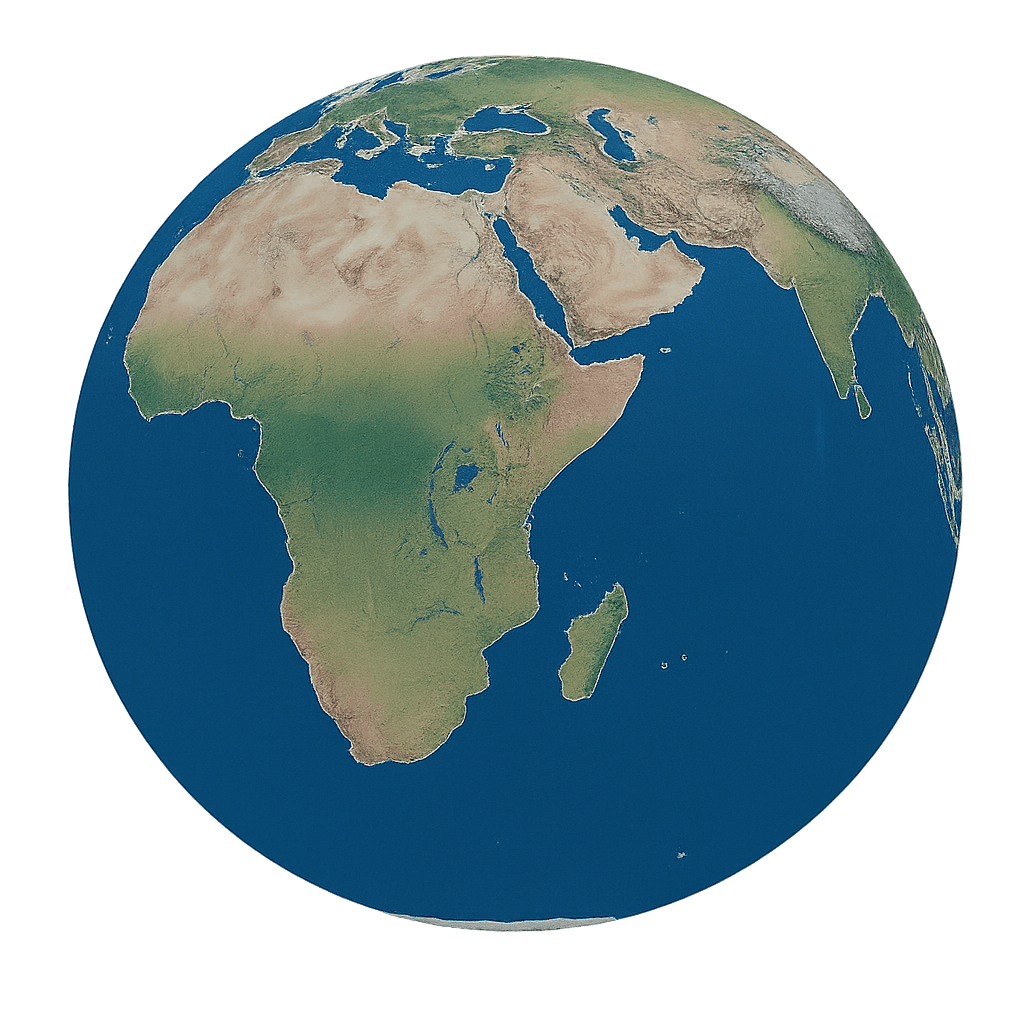
US-Iran Economic Escalation: Trump announced an “Economic D-Day,” warning any country that provides Iran a “lifeline” via finance, business, airports or government channels will face “tremendous economic consequences,” listing oil smuggling, swap lines, cash transfers, exchange houses, ship registries and front companies. Hormuz and Regional Pressure: Trump also said “very draconian sanctions” are on the table while downplaying Hormuz’s importance, claiming a naval blockade is “extremely effective” and that the strait is still open. UAE Cuts Off Iran: The UAE suspended all trade and financial ties with Iran after missile-related incidents, while Iran denied targeting the Emirates and kept shipping disruptions in play. Diplomacy in Limbo: Iran and the US remain at an impasse, with Iran rejecting ceasefire extensions and insisting on conditions for reopening Hormuz. Iran-Iraq Outreach: Iran’s parliament speaker Qalibaf visited Baghdad to push closer Iran-Iraq ties and a regional order with less outside interference. Security Warnings: Iran’s chief of staff warned Gulf states that helping US forces would be treated as participation in the conflict. NATO Response: NATO said it is ready to defend members amid reports of potential Iranian threats to Europe.
AGP Executive Report
Your go-to archive of top headlines, summarized for quick and easy reading.
Note: AI summary from news headlines; neutral sources weighted more to help reduce bias in the result. Feedback is welcome. Please let us know if you have any comments or suggestions about the AGP Executive Report.
Strait of Hormuz Standoff: Trump doubled down on calling the Strait of Hormuz “New US Territory” and said there are “no talks” with Iran, while shipping data shows traffic has plunged and only a handful of commodity vessels crossed on recent days. UAE Breaks Ties: Abu Dhabi suspended all trade and financial transactions with Tehran after missile alerts and accusations of attacks on maritime traffic; Iran denied the claims. Escalation Beyond the Gulf: Iran is weighing retaliation options if Washington escalates, including possible strikes on US-linked targets in Europe (reported focus on Bulgaria and Cyprus) and even attacks on subsea fiber-optic cables. Iran’s Counter-Pressure: Iran’s parliament is considering a “Strait of Hormuz Security” bill to put management under the armed forces, set tolls, and restrict “hostile” shipping. Cyber and Critical Infrastructure: US agencies warned of Iranian-linked hackers targeting Siemens water and industrial control systems. Diplomatic Fallout: France plans to expel two Iranian diplomats amid a fresh interference row. Human Rights: A rights group says Iran executed at least 900 people since January.
Hormuz Standoff: Trump says there are “no talks” with Iran and posts a map labeling the Strait of Hormuz as “new U.S. territory,” while insisting the naval blockade is in force and mines are removed; Iran calls the claim delusional and says the strait will stay closed until U.S. commitments are met. UAE Economic Shock: After the UAE says it detected two ballistic missiles targeting maritime navigation, Abu Dhabi suspends all trade, commercial exchanges, and financial transactions with Iran “until further notice,” while Tehran denies the missile accusation as baseless. Regional Escalation: Markets react as shipping stays disrupted and a vessel is reportedly hit in the strait; Iran warns it may shift to a “fully offensive” posture as the ceasefire/MoU expires. Diplomatic Fallout: France announces it will expel two Iranian diplomats over an alleged assault on French diplomats. Cyber Crackdown: The U.S. unseals charges tied to a decade-long Iran-linked hacking campaign targeting universities and companies, alleging billions in stolen data.
Strait of Hormuz Standoff: Trump says the U.S. has “no talks” with Iran and insists the Strait is “open and operating,” claiming mines were removed or detonated, while Iran’s top negotiator Mohammad Bagher Ghalibaf says Tehran will not reopen the waterway until Washington lifts the blockade, unfreezes assets, ends oil sanctions, and stops threats and military action. Oman Pressure: Trump again threatens to bomb Oman if it “gets in the way” of an Iran-Oman shipping arrangement, as Iran and Oman continue talks on navigation routes. Diplomatic Mediation (Qatar): Qatar says an Iran-Oman Hormuz deal would help restart wider U.S.-Iran negotiations, keeping mediators’ role alive despite the collapse of the June MoU. Shipping Incident: A projectile hit a ship exiting the Strait near Oman, injuring a crew member, adding to fears as traffic stays throttled. Regional Fallout: Saudi Arabia condemns Iran’s attacks on commercial shipping and activates a multinational maritime defensive coalition. Domestic Iran Move: Iran’s parliament advances a bill to criminalize contact with “hostile” foreign media, tightening information controls.

U.S.-Iran Talks Deadlock: The 60-day June MoU window ended Monday with Washington and Tehran further apart, as Trump ruled out any extension and repeated that Iran “cannot have a nuclear weapon,” while Iran said it won’t accept the terms and warned of escalation. Strait of Hormuz Pressure: Iran says it’s working with Oman on a transit-route map and a joint statement, but Trump escalated rhetoric, threatening to bomb Oman if it “gets in the way,” while also claiming the strait is under U.S. control. Regional Fallout in Iraq’s Kurdistan: Iran’s FM warned of “false-flag ploys” after reports of drones hitting the office of KRG PM Masrour Barzani, with Tehran and Baghdad trading accusations. Economic Strain at Home: Iranian officials and Reuters reporting highlight fears of renewed economic pain and unrest if U.S. pressure tightens, as inflation and sanctions bite. Markets React to Oil Risk: Oil jumped past $91 amid Hormuz uncertainty, dragging sentiment and lifting volatility across equities and bonds. Diplomatic Push: UN chief Guterres urged both sides to resume talks, while Turkey’s Erdogan urged Trump to keep diplomacy open and offered Ankara’s support.
Strait of Hormuz Diplomacy: With the 60-day US-Iran MoU expiring, Iran says it has reached an agreement with Oman on a shipping-route map, while the US keeps the blockade pressure and demands a full reopening. US Threats: Trump escalated rhetoric, warning Oman—again—that if it “gets in the way” he’ll “bomb the s* out of them,” and urging Iran to raise a “white flag of surrender.” **Nuclear Focus: Trump also reiterated that stopping Iran from obtaining a nuclear weapon is his “number one goal,” even as talks stall. Iran’s Posture Shift: Reuters reports Iran is moving from defensive to “fully offensive,” preparing a “timely and precise” response if the US doesn’t lift the blockade. Regional Fallout: Two Iranian drones hit the Kurdistan Region PM’s office in Erbil, and Iran’s IRGC denied any US backchannel. Human and Economic Pressure: Hormuz traffic has collapsed into single digits, oil and gas costs are rising, and Iran’s army announced a $30,000 bounty for capturing or killing US troops. UN Anti-Drug Push: UNODC backed Iran’s anti-drug crackdown with advanced scanners, drawing scrutiny over execution-linked drug cases. Travel Update: Iran resumed Umrah after a six-month pause, with 18,000 pilgrims scheduled for the first phase.
US-Iran Talks & Hormuz: Iran’s president says the US peace MoU advanced “with dignity and power,” but the 60-day window is nearing its end as talks stall and Hormuz shipping remains disrupted. Military Posture Shift: IRGC political deputy Yadollah Javani warns Iran’s defensive stance could turn “offensive,” promising “strategic surprises” as Ahmad Vahidi takes over. Bounty Escalation: Iran’s army chief Amir Hatami announces a $30,000 reward to kill or capture US troops, doubling it for women. Economic Pressure & Sanctions: The US plans fresh sanctions targeting Iran’s oil and financial channels, while oil prices hold near $88–$90 as tanker traffic slows. Domestic Control in Iran: Parliament approves a bill that could send people to prison for contacting “hostile” foreign media, including US/Israel-linked outlets. Regional Ripples: Protesters rally at RAF Fairford over claims Britain is enabling US strikes on Iran; UK SMEs warn of war-driven financing stress. Diplomacy vs. Blame: Iran urges Qatar to allow a probe into missing pilots; Qatar denies holding them.
Hormuz Standoff: Iran’s deputy foreign minister rejected Trump’s claim that the Strait of Hormuz could become US territory, saying it “will remain Iranian” and can only be opened or closed under Iran’s command. Bounties & Escalation: Iran’s army chief Amir Hatami announced a $30,000 reward for killing or capturing US service members, doubling it to $60,000 for women, as Tehran also said US forces are barred from the Persian Gulf, Gulf of Oman and Hormuz. Missing Pilots Row: Iran urged Qatar to let an Iranian Air Force fact-finding team investigate three pilots Tehran says were captured; Qatar denies holding them and says one pilot’s remains were found. Parliament Crackdown: Iran’s parliament approved a bill to criminalize interviews and communications with “hostile” media, including US/Israeli outlets, with prison terms up to two years. Economic Pressure: With Trump’s 60-day ceasefire deadline effectively passing, Washington signals tougher sanctions on Iran and China-linked oil trade, while Iran says its economy is worsening amid falling oil revenues and damage to industry. Regional Fire: Yemen’s forces reported intensified strikes against Iran-aligned Houthis, and Iran-linked attacks on Gulf shipping kept tensions high.
Hormuz Standoff: Iran hit back at Donald Trump’s claim he’ll soon declare the Strait of Hormuz a U.S. territory, saying the waterway “will remain Iranian” and can only be opened or closed under Iran’s command. Pilot Dispute: Iran demanded Qatar release three Su-24 pilots it says were captured alive and held for six months; Qatar categorically denied detaining them, saying the pilots violated Qatari airspace, that it recovered remains of one, and that Iran hasn’t responded to invitations to review search-and-rescue details. Shipping & Oil Pressure: UAE says Iran attacked an ADNOC vessel in the Strait of Hormuz for a third time this week, while Iran and Oman continue talks on a navigation map as ship traffic stays throttled. Economic War: The U.S.-Iran fight is increasingly framed as economic pressure—fuel prices rise, and the U.S. Strategic Petroleum Reserve reportedly fell below 300 million barrels. Regional Fallout: Israel struck southern Lebanon, killing 11, drawing Iranian condemnation; meanwhile Iran also detained two French diplomats over alleged foreign interference. Aviation Resilience: Iran says civil aviation hasn’t stopped and flights resumed at Bandar Abbas on domestic routes.
Strait of Hormuz Diplomacy: Iran says it has reached an agreement with Oman on a Strait of Hormuz “shipping route map,” after months of talks, while insisting normal commerce depends on an end to US blockade and threats. Hormuz Escalation & Rhetoric: Tehran also rejected Donald Trump’s claim that the US will soon declare Hormuz a US territory, with Iranian officials saying the strait “cannot be seized” by tweets or force and will remain Iranian. Maritime Attacks: The UAE condemned what it says was an Iranian attack on an ADNOC vessel transiting Hormuz, calling it a violation of UN rules and urging full reopening of the waterway. Oil Spill Fallout: Iran is battling a major oil spill near Qeshm Island, with reports citing shoreline and coastal water damage and mangrove and sea turtle nesting areas at risk. Captured Pilots in Qatar: Iran says Qatar has held three captured pilots for six months without allowing family contact, and it is urging the ICRC to follow up on their conditions. Iran War’s Economic Hit: President Masoud Pezeshkian blamed worsening inflation and state finances on falling oil sales, higher import costs, and damage to factories. Regional Links: Parliament speaker Mohammad Bagher Qalibaf said he remains in contact with Hezbollah fighters in Lebanon, as tensions rise around Iran’s role in the region. Human Rights & Diplomacy: Iran detained two French diplomats over alleged foreign interference and warned France against repeating such activity. US Military Strain: Reports say the US is pulling its last aircraft carrier from the western Pacific as the Iran war stretches deployments.
Strait of Hormuz Standoff: Iran rejected Donald Trump’s vow to declare the waterway “U.S. territory,” with Deputy FM Kazem Gharibabadi saying Hormuz “cannot be seized by tweet” or force and will open/close only under Iran’s command. Diplomacy at a Standstill: Foreign Minister Abbas Araghchi said Iran has not decided to resume indirect U.S. talks, arguing mediator messages with Pakistan and Qatar are not a return to negotiations, while Oman talks are separate and focused on shipping lanes. Shipping and Oil Pressure: Transit through Hormuz appeared near standstill after attacks on commercial vessels, with only two ships reportedly passing on Friday and no crude visible; the UAE blamed Iran for attacks on its tankers. U.S. Economic Squeeze: Washington signaled it can keep a naval blockade and pressure campaign going indefinitely, while Treasury chief Scott Bessent promised “never seen before” measures next week. U.S. Carrier Strain: Separately, reports and lawmakers raised concerns over conditions aboard USS Abraham Lincoln, as Trump downplayed sailor toll and said the ship is being replaced soon. Canada Targets Officials: Canada sanctioned five Iranian officials over alleged threats to navigation rights around Hormuz.
Hormuz Flashpoint: Saudi Arabia, the Arab League, Kuwait, Qatar, Jordan, and Egypt all condemned Iran over attacks on two UAE-flagged ADNOC tankers in the Strait of Hormuz, calling it a violation of UN Security Council Resolution 2817 and a threat to freedom of navigation and global energy supplies. US Pressure Plan: Washington says it can keep a naval blockade on Iran “indefinitely,” while Treasury Secretary Scott Bessent promises “economic isolation” measures “never seen before,” as Hormuz traffic drops and oil prices hover near $87. Strait Control & Policy: Iran’s parliament approved a strategic plan for managing and safeguarding Hormuz and the wider Persian Gulf, while Iran’s security leadership signals the strait will be central leverage in ending the war and lifting the blockade. Environmental Fallout: Oil pollution reached Iran’s Qeshm Island, with Iranian officials blaming foreign aggression and calling for compensation, as cleanup nears completion. Human Impact in the US: With the conflict dragging on, US gasoline stays around $4 a gallon and consumer sentiment falls sharply in August. BRICS Move: Iran says it will soon join the BRICS New Development Bank, as Tehran seeks alternatives to dollar-based finance.
Strait of Hormuz Standoff: Iran’s military says Trump’s “total control” claim is “lies,” insisting no tanker can pass without Tehran’s permission, while Iran’s Basij chief repeats the strait is under Iran’s “management and control.” US Blockade, Economic Pressure: US Defense Secretary Pete Hegseth says the US can keep a naval blockade of Iranian ports “indefinitely,” and Treasury chief Scott Bessent warns of “measures like have never been seen” to isolate Iran as talks stall. Oil and Shipping Fallout: Oil prices edged up as supply fears returned, and Hormuz traffic reportedly fell to eight vessels on Tuesday; the UAE also condemned attacks on two ADNOC vessels in the strait. War Costs and Military Strain: The Washington Post reports the US lost at least 45 MQ-9 Reaper drones—about a quarter of its prewar fleet—during the Iran war. Diplomacy and Mediation: UN chief Guterres urges renewed dialogue, while Norway’s foreign minister praises Pakistan’s mediation efforts between Washington and Tehran. Regional Spillover: In Yemen, clashes between Houthis and government forces continue, raising fears of a wider Middle East escalation. Iran Looks Beyond the Dollar: Iran’s central bank governor says Tehran will soon join the BRICS New Development Bank, alongside talks on payment links and digital currencies.
Hormuz Standoff: Iran’s Khatam al-Anbiya command and Basij chief Hossein Taeb rejected Donald Trump’s claim of “total” U.S. control, insisting the Strait of Hormuz stays under Tehran’s “full management and control” and that no tanker can transit safely without authorization. Diplomacy Deadlock: Reuters reports Iran says there’s been no progress on reviving the interim U.S.-Iran deal, and Iran says there are no talks to extend any ceasefire. Economic Pressure: With the blockade and shipping disruptions dragging on, oil prices edged down despite ongoing tensions, while Iran warns the conflict could last. Human Rights: More than 30 countries condemned Iran’s executions of protesters, and photojournalist Yalda Moaiery was sentenced to 15 years over reporting and images. Regional Ties: Iran and Pakistan reaffirmed “strategic depth” and pledged deeper cooperation, including expanded cricket links. BRICS Finance: Iran’s central bank chief said Tehran will soon join the BRICS New Development Bank, aiming to reduce reliance on dollar-based systems. Environment: Iran demanded compensation after an oil spill reached Qeshm, blaming a foreign bulk carrier while monitoring cleanup.
Hormuz Standoff: Iran rejected Trump’s claim of “total control” of the Strait of Hormuz, saying the waterway remains blocked until Tehran’s conditions are met, as the US and Iran trade blame over a stalled interim deal. War Duration Talk: An IRGC adviser said Iran may deliberately prolong the conflict until Trump leaves office, aiming to deter future attacks through attrition. Diplomacy Under Strain: Pakistan’s interior minister Mohsin Naqvi met Iran’s leaders in Tehran to revive US-Iran talks, with Islamabad pushing to keep the mediation effort alive. Security Drama in Turkey: Reports say US intelligence had “low confidence” in an Israeli warning about an Iranian assassination plot, yet Trump was still moved via a secret plane swap after the threat. Energy Pressure: Oil prices slipped on lower demand forecasts, but the Iran war keeps supply risks in focus. Regional Focus: Iran’s officials also urged international action against threats to civilian infrastructure under the Geneva Conventions. BRICS Finance: Iran’s central bank governor said Iran will soon join the BRICS New Development Bank, signaling continued efforts to work around dollar-based finance.
US-Iran Escalation: Trump says the U.S. has “total control” of the Strait of Hormuz, but Iran insists the waterway stays closed until Washington ends the war and blockade and releases frozen assets; meanwhile, the U.S. disabled a Panama-flagged ship in the Gulf of Oman with Hellfire missiles as shipping attacks and oil-price swings continue. Ceasefire Deadlock: Iran denies any talks to extend the June interim ceasefire, arguing it never officially took effect, while mediators discuss whether the U.S. should return to the original terms. Diplomacy Under Strain: Pakistan pushes to bring both sides back to the table as regional pressure rises, and Japan’s PM Takaichi urges de-escalation and safe navigation with Iran. Human Rights Pressure: More than 25 countries and the EU condemned Iran’s executions of protesters and opponents, calling for an end to the death penalty and releases of detainees. Iran’s Regional Moves: Iran’s security chief Mohsen Rezaei signals Hormuz reopening is tied to U.S. concessions, and Iran-Pakistan ties are framed as “strategic depth.” Economy & Energy: The IEA cut its 2026 oil supply outlook deeper amid Hormuz closure and Red Sea disruptions; inflation data show costs still elevated. BRICS Finance: Iran says it will join the BRICS New Development Bank soon, aiming to expand banking cooperation and reduce dollar reliance. Civic Space Under Pressure: Iranian photojournalist Yalda Moaiery received a 15-year sentence over images and reporting, Reuters reports.
Blockade Enforcement: The U.S. disabled a Panama-flagged cargo ship in the Gulf of Oman after it ignored warnings, firing Hellfire missiles into the engine room and redirecting dozens of blockade-runners. Hormuz Standoff: Iran’s new top security official, Mohsen Rezaei, says the Strait of Hormuz won’t fully reopen unless Washington ends the war and blockade, releases frozen assets, and agrees to a wider ceasefire covering Lebanon and Gaza. Trump’s Pressure Pivot: Trump says the U.S. has “total control” of Hormuz and is returning to sanctions and financial pressure, while also demanding compensation from Iran. Diplomacy Watch: Pakistan’s defense minister says the U.S. and Iran are close to “some sort of arrangement,” as Mohsin Naqvi meets Iran’s leaders in Tehran and Qatar says Oman-Iran talks are advanced. Shipping Hits and Oil Jitters: Fresh attacks near the Gulf of Oman and Bab el-Mandeb keep energy markets tense, with oil rising on deal doubts and disruption fears. Security Theater: Reports and Trump’s own comments describe a secret plane swap in Turkey using a decoy and catering truck amid an alleged Iranian assassination threat.
US-Iran Talks: Pakistan’s Defence Minister Khawaja Asif says Washington and Tehran are “close to some sort of an arrangement,” while Qatar says Oman-Iran Strait of Hormuz talks are at an advanced stage—though no deal is announced and demands keep shifting. Hormuz Standoff: Iran says the strait won’t reopen without US concessions, including ending the blockade and sanctions and providing compensation; the US keeps enforcing maritime restrictions. Maritime Flashpoints: US forces fired on a Panama-flagged ship trying to breach the blockade in the Gulf of Oman; separately, Iran-backed Houthis reportedly killed crew in Bab el-Mandeb. Trump Security Ruse: Multiple reports say Trump secretly left Turkey after a credible Iranian assassination threat, using a catering truck to move him off Air Force One and onto a smaller military jet. Iran Command Shake-Up: Iran’s supreme leader issued major military/security appointments, signaling a shift toward offensive deterrence and tighter command control. Regional Spillover: Iran struck a Kurdish opposition headquarters near Erbil, injuring two and damaging the site. Cyber & Politics: US lawmakers unveiled a Water Cyber Shield Act after warnings about Iranian-linked attacks on drinking-water systems; Albania topped a cyber security index after an Iran-attributed 2022 attack. Markets: Oil hovered near $90 and gold held near $4,400 as Hormuz uncertainty and reparations demands rattled investors.
Hormuz Deadlock: Iran says the Strait of Hormuz won’t reopen while the U.S. naval blockade continues, tying any restart to U.S. concessions including sanctions relief and compensation, as talks with Oman near “final stages” but Washington’s conditions keep the deal from moving. Trump’s Compensation Pivot: Trump says Iran should pay “reparations” for deaths and damage, then counters Iran’s own compensation demands with claims of “50 years” of U.S. losses—fueling fresh uncertainty for markets and shipping. U.S. Pressure, Iran’s Response: Iran’s foreign ministry also floated charging service fees for passage, while Tehran insists it is not in direct talks with Washington and will wait out the U.S. term until 2029. Security Shock in Turkey: Multiple reports say Trump was secretly moved off Air Force One using a catering cart and a decoy plan after an Iranian assassination threat, underscoring how high the stakes are around the president and the wider conflict. Regional Diplomacy: Germany urged unconditional reopening and dialogue, while Malaysia signaled expanded defense cooperation with Iran. Markets: Oil held near one-week highs as the U.S.-Iran stalemate and Hormuz prospects kept Asian stocks cautious.
Strait of Hormuz Diplomacy: Iran says talks with Oman on a shipping traffic map are progressing “smoothly,” but the strait stays effectively closed until the U.S. ends its naval blockade and meets Tehran’s demands, including compensation and sanctions relief. U.S. Strategy Shift: Trump tells Axios he’s “low-keying it” and “semi-negotiating,” betting economic pressure and inflation will push Iran toward a deal, after earlier threats of major strikes. Hardline Iran Messaging: Iran’s foreign ministry repeats there are no direct U.S. talks while Washington violates a June memorandum, and it says transit fees are still under discussion. Security Shake-Up: Iran appoints IRGC hardliner Mohsen Rezaei to the Supreme National Security Council, replacing Mohammad Baqer Zolqadr, as tensions over Hormuz persist. Leadership Health Claims: Iran releases new footage of Supreme Leader Mojtaba Khamenei amid ongoing illness rumors, while officials insist he remains active. Regional Defense Pacts: Iran downplays a Türkiye-Saudi-Pakistan defense agreement as not aimed at Tehran, calling it a sign regional states are moving away from U.S. security promises. Economic Strain at Home: Reports say the blockade and war are choking oil exports and worsening inflation, squeezing household diets and healthcare access.
Sign up for:
Tehran Free Press
The daily local news briefing you can trust. Every day. Subscribe now.
Check Your Email!
We sent a one-time activation link to: .
Confirm it's you by clicking the email link.
If the email is not in your inbox, check spam or try again.
Welcome back!
is already signed up. Check your inbox for updates.