
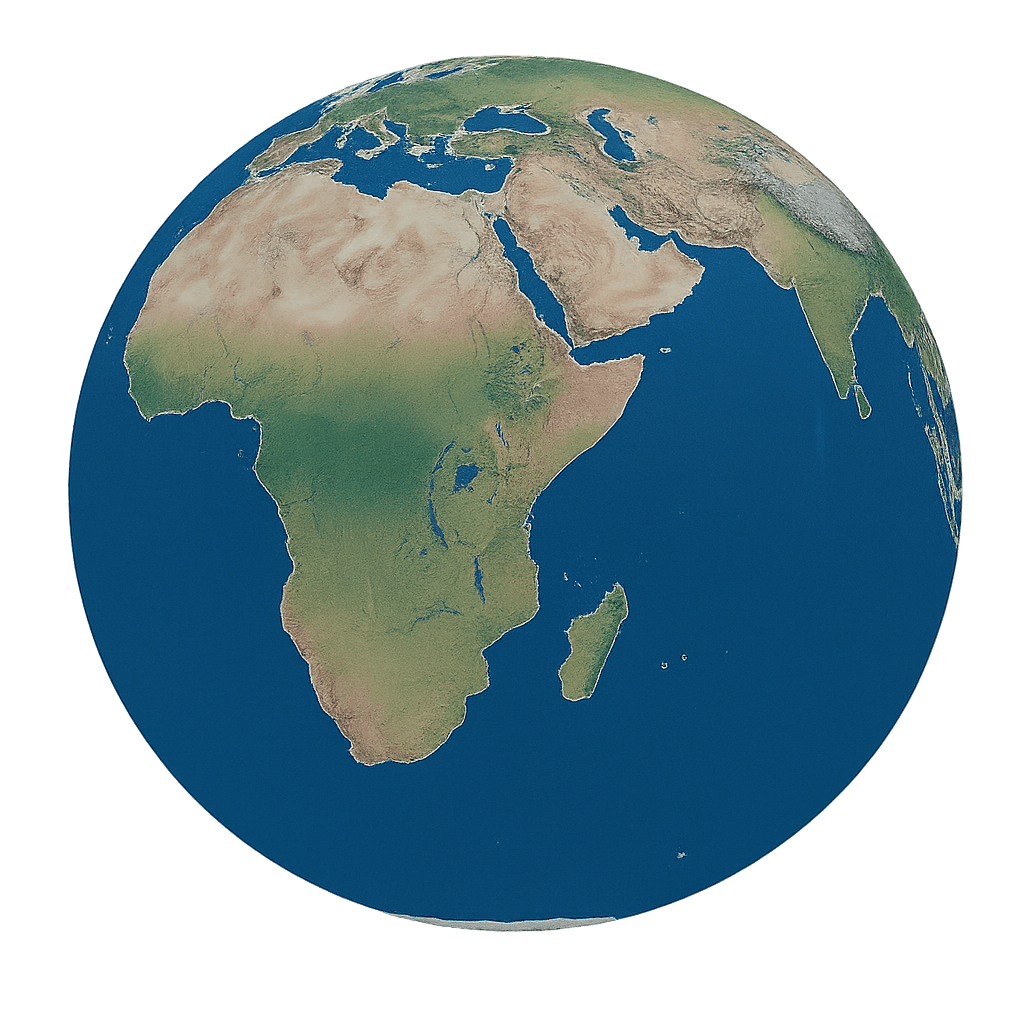
Hormuz Standoff: Iran’s deputy foreign minister says the Strait of Hormuz is “completely closed,” and any ship passage would require Iran’s coordination and permission, even as Tehran claims it reached an Oman transit understanding that won’t be implemented until the US fulfills commitments. Diplomacy vs. Pressure: President Masoud Pezeshkian argues the Iran-US peace MoU is in the interests of Iran and the region, urging Trump to avoid turmoil and resolve disputes through dialogue—while Iran warns of energy-market manipulation. Sanctions Hit Hard: Iran’s leaders admit the war’s economic toll, with trade down sharply and inflation reported at 66%, as the US expands financial pressure including new curbs tied to Banque Misr’s UAE operations. Energy Costs: A CREA report says fossil-fuel importers face an extra $330B in seaborne fuel costs since March, driven by US-Iran tensions. US Strategy Debate: US officials and media portray a prolonged conflict straining US readiness, while Trump’s team reportedly shifts from “sledgehammer” to more economic pressure. Sports (Iran-Philippines): Gilas Pilipinas hosts Iran Sunday after Jordan game results, with Justin Arana activated to replace injured Carl Tamayo.
AGP Executive Report
Your go-to archive of top headlines, summarized for quick and easy reading.
Note: AI summary from news headlines; neutral sources weighted more to help reduce bias in the result. Feedback is welcome. Please let us know if you have any comments or suggestions about the AGP Executive Report.
Operation Economic Outcast: The U.S. Treasury is moving to cut off Banque Misr’s UAE branches from dollar correspondent banking, calling the bank a “critical node” for Iran-linked shadow finance and warning other enablers face secondary sanctions. Diplomacy vs pressure: Iranian President Masoud Pezeshkian urged Trump to avoid turmoil and said disputes can be resolved through dialogue under the June MoU, but only if Washington reciprocates; Egypt and Kuwait also pushed for de-escalation and a return to Iran-U.S. talks. Hormuz standoff: Iran’s officials doubled down on control of the Strait of Hormuz and warned neighbors against joining new U.S. sanctions, while Iran’s parliament speaker floated an “all or none” oil stance tied to the U.S. military presence. Economic strain at home: Pezeshkian admitted sanctions are hurting Iran’s economy and signaled gasoline price increases as trade falls. Security and deterrence: Iran’s defense leadership vowed to keep boosting military capabilities, while the IRGC said it dismantled a U.S.- and Israel-linked group in Sistan-Baluchestan. Cyber warning: A former U.S. cyber chief warned Britain should expect more Iranian cyber attacks on critical infrastructure.
Strait of Hormuz Talks: Iran’s Supreme National Security Council chief Mohsen Rezaei says Iran and Oman agreed on a temporary Hormuz corridor, but full reopening hinges on US steps—especially ending the regional wars in Lebanon and Gaza. Economic Pressure Escalates: The US Treasury’s “Operation Economic Outcast” is widening sanctions, including a proposed move to cut Banque Misr UAE off from dollar access, while Iran says the campaign violates international law and is “state terrorism.” Six-Month War Reality Check: As the conflict hits its six-month mark, Iran’s leaders admit the toll—trade down 35%—while the IRGC claims “complete and decisive” control of Hormuz, and US officials warn of depleted Patriot stocks in Europe. Diplomacy vs. Deadlock: UN chief Antonio Guterres urges the US and Iran to resume meaningful negotiations, as Iran’s foreign minister Abbas Araghchi insists pressure doesn’t work and diplomacy can restart if Washington changes course. Human and Regional Fallout: UN-linked reports say thousands of sailors remain stranded in the Gulf, and piracy near Somalia surges as shipping routes stay stressed by the wider Iran war. Minab School Massacre: Araghchi says Iran will not “forgive nor forget” the Minab school attack and will keep pursuing it.
U.S.-Iran War at 6 Months: As the conflict enters its six-month mark, Washington is doubling down on economic pressure, with Trump’s team warning it will punish any country or bank that keeps doing business with Tehran. Sanctions Push: The U.S. Treasury moved to cut Banque Misr UAE off from U.S. correspondent banking, citing about $1.8B processed for Iranian-linked shadow networks, under “Operation Economic Outcast,” and added other Iran-linked designations. Iran’s Reply: Tehran called the measures “state terrorism” and urged all countries to reject and not implement the sanctions. Hormuz Diplomacy: Iran’s top security officials say reopening the Strait of Hormuz depends on U.S. meeting Iran’s demands, while Qatar’s mediation efforts continue and Iran’s foreign minister says diplomacy is “not impossible” if pressure is dropped. Regional Fallout: Azerbaijan has added Iran to a list of “risky” countries for diplomats, while Iranian forces arrested five Kurdish men in Ilam province. Other News: Meta removed an Iran-linked AI influence network targeting U.S. politicians and journalists. Sports: Iran fell to New Zealand 93-91 in overtime in FIBA Asian qualifiers, ahead of a Gilas showdown.

Hormuz Diplomacy Under Pressure: Qatar’s PM and foreign minister met Iran’s President Pezeshkian and top officials in Tehran, pushing de-escalation and a framework for reopening the Strait of Hormuz as the US blockade squeezes Iran’s oil supplies. Iran’s Conditions for Shipping: Iran’s Supreme National Security Council secretary Mohsen Rezaei said Tehran is drafting a list of conditions after mediators asked for clarity, including ending the blockade of Iranian ports and addressing compensation, while Iran and Oman work on a corridor and revenue-sharing. US Stance Hardens: Trump reiterated the US is not negotiating with Iran and that economic pressure will continue, with Washington aiming to isolate Tehran through “Operation Economic Outcast” and secondary sanctions. Oil Jitters: Oil prices rose on renewed Hormuz and diplomacy worries after Trump rejected reviving a ceasefire deal, keeping global shipping risk front and center. Regional Security Warnings: Iran’s security officials warned of “severe confrontation” if the blockade continues, while Iran also denied a report about a plot targeting Barron Trump. Domestic Snapshot: Iran’s central bank chief said there is enough foreign currency to meet market needs, as Parliament Speaker Ghalibaf attacked US spending priorities.
Hormuz Diplomacy: Qatar’s PM and foreign minister Sheikh Mohammed bin Abdulrahman Al Thani met Iran’s FM Abbas Araghchi in Tehran to push de-escalation, including a temporary joint navigational corridor and mine-clearing plans for the Strait of Hormuz. US Blockade Pressure: The US says it redirected 75 commercial vessels, disabled three, and boarded two while enforcing its naval blockade, as Washington insists no Iran talks are underway and keeps “all options” open. Economic War Escalates: US Treasury Secretary Scott Bessent launched “Operation Economic Outcast,” urging Iran to spend on its people instead of “proxies,” while Iran’s oil minister says crude sales and deliveries continue uninterrupted outside Iranian territorial waters. Regional Off-Ramp Talks: Pakistan says its army chief Asim Munir’s Iran visit focused on de-escalation and a negotiated settlement, rejecting claims he was a US envoy. Nuclear Scrutiny: The IAEA chief says there’s no “solid evidence” Iran is rebuilding nuclear facilities, as inspections remain stalled. Hardline Rhetoric: Iran warns Persian-language outlets abroad could be treated as military targets, and Iran’s leaders call for Muslim unity against US-Israel pressure.
Hormuz De-escalation Push: Qatar’s PM and foreign minister Sheikh Mohammed bin Abdulrahman Al Thani is set to visit Tehran to discuss de-escalation and restoring freedom of navigation in the Strait of Hormuz, with talks expected to cover how to reopen the waterway after months of standoff. Strait Deal Details: Iran’s deputy foreign minister says Tehran and Oman are working on a temporary arrangement that would keep military vessels out of the strait while commercial routes pass through Iranian and Omani waters, with a permanent plan due within 30–60 days. Sanctions Escalation Clash: Iran’s foreign ministry mocked the US “coalition” behind its new “Operation Economic Outcast,” calling Washington’s strategy “pure parody” as it expands secondary sanctions. US Maritime Pressure: Reports say the US Justice Department is reviving “prize courts” to seize Iranian oil tankers and cargo, a move expected to face legal challenges. Nuclear Oversight Fight: Iran’s atomic energy chief says IAEA inspections of bombed nuclear sites won’t proceed until new procedures are set under Iranian legal decisions. Regional Fallout: Kenya’s Iran-linked tea trade is under renewed pressure as US sanctions tighten payments and shipping. Trump on Talks and Khamenei: Trump says he’s “not in a hurry” for Iran talks and claims Iran’s supreme leader Mojtaba Khamenei is alive but “very seriously wounded,” without offering proof.
Strait of Hormuz Talks: Iran’s IRGC says Iran and Oman have agreed on revenue and water shares, but the strait won’t reopen unless the U.S. accepts Tehran’s conditions; a Reuters source adds details are still not finalized. Shipping Pressure: Iran’s new blacklist of 45 tankers is already changing behavior—reports say some Indian refiners and a major global company plan to avoid blacklisted vessels, including for ship-to-ship transfers. U.S. Strategy Shift: U.S. officials signal a move away from strikes toward economic and maritime pressure, with Rubio telling allies Washington isn’t planning new attacks “for the time being.” Economic Warfare: President Pezeshkian says sanctions will achieve nothing and Iran is enduring the “worst conditions” of economic warfare while continuing development projects. Political Uncertainty: Trump says he believes Iran’s supreme leader Mojtaba Khamenei is alive but “very seriously wounded,” amid ongoing speculation. Security Escalation: Iran warns hostile Persian-language outlets abroad could be treated as military targets, while separate reports allege Iranian operatives plotted to assassinate Netanyahu’s son in Miami. Everyday Impact: Dubai airport reported a 31.3% passenger drop in Q2 as travelers rerouted away from the Middle East.
Hormuz Diplomacy: Iran’s deputy FM Kazem Gharibabadi says Iran and Oman agreed a temporary seven-mile-wide transit route, but insists it’s not an immediate reopening and that the strait remains “closed” under Iran’s control. Regional De-escalation: Abbas Araghchi held calls with Pakistan’s army chief Asim Munir and Qatar’s FM, focusing on easing tensions and supporting Oman-Iran talks on a temporary Hormuz corridor plus mine-clearing. Economic Pressure Escalates: The US Treasury expands “Operation Economic Outcast,” sanctioning four India-based firms and three Indian nationals over about $119m in Iranian oil/petrochemical trade. China Pushback: China warns it will protect its economic interests and rejects unilateral US sanctions, urging a ceasefire as Washington threatens secondary penalties. Shipping Reality Check: Oil markets fall as traders weigh sanctions, while maritime data shows Gulf oil still moving via ship-to-ship transfers in the Gulf of Oman despite Hormuz risks. US-Iran Tensions: Reports claim a US-Iran ceasefire deal is in the works, while Iran rejects US mine-clearing claims as propaganda.
Operation Economic Outcast: US Treasury Secretary Scott Bessent unveiled a sweeping “economic D-Day” against Iran, warning countries and companies that keep trading with Tehran could face secondary sanctions and dollar-system isolation, with new pressure aimed at oil, shipping, digital assets, gold, aviation and technology. Strait of Hormuz: Donald Trump claimed all mines are cleared and warned any new mine-laying ships would be “immediately and systematically destroyed,” while Iran and Oman discussed a phased framework for safe navigation, including a temporary joint corridor and mine-clearance work. Fuel squeeze in Iran: Long queues returned at Tehran gas stations as Americans tighten the blockade and officials warn of possible fuel shortfalls and subsidy cuts. China pushes back: Beijing vowed to defend its interests and threatened retaliation if hit by new Iran sanctions, as it remains Iran’s biggest oil buyer. Domestic pressure and rights: Four Kurdish political prisoners in Bukan remain in legal limbo more than 40 months after arrests, despite court actions. Security scare: The US Secret Service said it is investigating an Iranian state-media video that appears to threaten Barron Trump.
Sanctions Blitz: US Treasury Secretary Scott Bessent launched “Operation Economic Outcast,” warning countries and firms to cut Iran ties or face secondary penalties, with new sanctions aimed at Iran’s digital assets, technology, gold, aviation and shipping networks and targeting 60 entities and vessels. Currency Shock: Iran’s rial hit a record low near 2.02 million per dollar as markets priced in the “economic D-Day,” while Tehran vowed retaliation and said the pressure won’t work. Hormuz Pressure: Iran blacklisted 45 vessels over Strait of Hormuz rules, threatening fines, detention and cargo seizure as shipping remains disrupted and talks on reopening stall. Diplomacy via Pakistan: Pakistan’s army chief Asim Munir met Iran’s leadership in Tehran, with officials citing progress on preventing escalation and reopening Hormuz; Iran’s president told Munir US “coercion and bullying” will complicate diplomacy. Escalation Signals: US Defense Secretary Pete Hegseth said Washington won’t rule out kinetic strikes, while Secret Service said it is aware of an Iranian state-media video threatening Barron Trump. Oil and Markets: Oil prices and global stocks wobbled as traders weighed the sanctions’ impact and the risk of wider regional disruption.
Sanctions Shockwave: The US is set to unveil “economic D-Day” measures against Iran, with Treasury chief Scott Bessent warning of the “single greatest financial offensive ever” and threatening secondary sanctions on banks, oil buyers, shipping and trade partners. Currency & Daily Life: Iran’s rial slid to record lows around 2 million per dollar as officials called the move “temporary,” while fuel shortages in Tehran are driving long pump lines. Hormuz Pressure: Iran blacklisted 45 tankers over Strait of Hormuz rules and warned that violators—and ships doing ship-to-ship transfers with them—could face fines, detention and confiscation; Iran also signaled it may charge transit fees. Retaliation Threats: Iran’s IRGC warned any attacks on its infrastructure would be met with “heavy strikes” on US energy chokepoints, while Iran warned European bases could be targeted if used against Tehran. Cyber Fallout: Iran-linked hackers were blamed for shutting down a UK power facility for four days, adding to fears over energy-system vulnerability. Diplomacy in the Background: Pakistan’s army chief Asim Munir arrived in Tehran amid stalled US-Iran talks, as Iran insists the war won’t end on “aggressive” terms.
Economic D-Day: US Treasury Secretary Scott Bessent says Washington is entering “economic D-Day” with sweeping sanctions aimed at cutting Iran’s remaining financial and trade lifelines, warning partners that cooperation could bring consequences. Iran’s retaliation: Iran’s Supreme National Security Council secretary Mohsen Rezaei vowed that if the economic war continues “not a single drop of oil” will leave the Persian Gulf, calling any support for the US campaign an “act of war.” Hormuz pressure: Iran’s parliament advanced a plan to charge fees for ships transiting the Strait of Hormuz, while Iran’s ports authority warned “violating” vessels could face fines, detention, or confiscation; shipping data showed fewer than 20 transits over the weekend as blockades choke the corridor. Diplomacy amid escalation: Pakistan’s army chief Asim Munir is set to visit Tehran to discuss regional issues and revive stalled US-Iran talks. Cyber and daily life: Iran-linked hackers allegedly shut down a UK power plant for four days; inside Iran, officials are preparing the public for another fuel price hike as the rial weakens and subsidies strain budgets. Energy news: Iran announced a major natural gas discovery in southern Fars province as the war disrupts its energy sector.
Sanctions Showdown: Iran’s FM Abbas Araghchi dismissed fresh US “toughest ever” sanctions as a recycled bullying tactic, while President Masoud Pezeshkian doubled down that Tehran is in an “all-out” economic, military and security war and won’t accept “excessive demands.” Currency Crisis: The rial slid again as the dollar neared 2 million rials in Tehran’s open market, underscoring mounting pressure ahead of the next sanctions push. Hormuz Leverage: Iran’s security and parliament moves to formalize Strait of Hormuz transit fees, as Tehran warns neighbors that joining the US “economic war” makes them enemies and threatens oil-route retaliation. Diplomacy via Pakistan: Pakistan’s army chief Asim Munir is set to visit Tehran to revive stalled US-Iran talks after a June MoU deadline expired. Energy Boost, War Strain: Iran announced a major gas find in Fars (7.5 Tcf, with 5.7 Tcf recoverable), even as it tries to recover from attacks on South Pars. Cyber Fallout Abroad: Reports say Iran-linked hackers disabled a UK power plant for four days, prompting UK energy and cyber authorities to raise defenses. Regional Security: Greece moved a Patriot battery to Crete amid Iran-US-Israel tensions. Domestic Pressure: Iran’s leaders acknowledged “many problems” at home as unemployment and inflation fears grow.
Hormuz Standoff: Iran’s Mohsen Rezaei says the Strait of Hormuz will stay closed until the US fulfills its June memorandum and “corrects its behaviour,” rejecting Trump’s claim that it’s “US territory.” Economic War Threats: Rezaei warned that any country joining Washington’s “economic war” will be treated as an enemy, with Tehran vowing to strike interests and even block oil exports if pressure partners cooperate. Regional Diplomacy: Egypt is trying to revive US-Iran talks, including discussions involving Oman and the June MoU, as Iran claims it’s receiving messages from neighbours about a new security order. Cyberattack Claims: Reports say Iran-linked hackers shut down a British power plant for four days, raising fresh alarms about attacks on critical infrastructure. Defense Posture: Iran says weapons and defense production doubled over a year and that military doctrine has shifted from defensive to offensive. Domestic Pressure: A renewed hijab enforcement debate is spilling into businesses, with state media highlighting closures of cafes and shops over clothing rules.
US-Iran Sanctions Clash: Iran’s foreign ministry says new U.S. sanctions are an “assertion of extraterritorial sovereignty,” warning they violate international law and could erode UN sovereignty. Strait of Hormuz Tensions: Trump again called Hormuz “American territory,” while Iran dismissed the claim and linked reopening to U.S. concessions; Iran also allowed some Iraqi oil tankers to transit after Baghdad requests. Defense Industry Push: On Defense Industry Day, Iran’s top military officials vowed “crushing” responses to threats, saying production lines stayed running and new offensive/defensive systems were deployed; officials also said ballistic and cruise missile development will continue. War-Ending Debate: President Masoud Pezeshkian urged ending the war from a “position of power and dignity,” while hardliners and military voices kept warning of “devastating” retaliation. Human Rights: Iran’s Supreme Court upheld the death sentence against Arghavan Fallahi, and a Kurdish activist, Manijeh Khoshnoud, received three months for “propaganda against the system.” Energy Update: Iran says South Pars Phase 14 refinery restoration is 70% complete after an Israeli strike.
Economic Warfare Escalation: Iran’s Foreign Minister Abbas Araghchi says Washington’s “economic operation” is “doomed to fail,” echoing past US sanctions that he claims also collapsed. Sanctions vs Sovereignty: Iran’s foreign ministry warns new US “secondary sanctions” violate international law and UN principles, arguing countries can’t be forced to cut lawful trade with Tehran. Hormuz Standoff: Trump again calls the Strait of Hormuz “American territory” and warns Iran it will “never” get nuclear weapons; Iran rejects the claim and says reopening depends on US concessions. Military Posture: Iran’s armed forces leadership vows “crushing” retaliation across land, sea, air, air defense and cyberspace, while officials claim key maritime areas are under Iran’s “complete control.” Gulf Environmental Risk: A report says more tankers are “going dark” to evade attacks, raising oil spill dangers in the Persian Gulf and Gulf of Oman. China Pushback: China rejects the US sanctions drive, saying pressure won’t solve the dispute and urging dialogue. Oil Markets: Oil prices steady/up on fears of tighter supply as the Hormuz route remains disrupted. Defense Industry: Iran says weapons and defense equipment production doubled over the past year despite strikes.
Economic Warfare: Trump’s team is rolling out an “Economic D-Day” meant to “collapse” Iran, with Treasury chief Scott Bessent warning allies and partners they’ll face penalties for any “lifeline” to Tehran. Tehran’s Response: Iran’s Foreign Minister Abbas Araqchi says the U.S. is repeating past failures (“We have seen this movie before”), while President Masoud Pezeshkian urges ending the war while Iran holds “power and dignity,” insisting Tehran won’t bow to bullying and will hit back hard if attacked. China Pushback: Beijing rejects sanctions and pressure as a solution, calling them illegal and urging U.S.-Iran dialogue. Oil Pressure: Reuters reports Iranian crude offers to China have fallen sharply as U.S. blockade squeezes exports; ship-tracking data also points to fewer visible Hormuz crossings. Defense Claims: Iran’s deputy defense minister says advanced weapons production is continuing “uninterrupted,” with assets relocated to avoid strikes. Regional/Global Ripples: A sanctioned Iran-linked tanker was seized by Somali pirates off Yemen. Human Rights & Courts: Kurdish activist Pouria Naderi was shot dead in Kermanshah; a Kurdish woman arrested by intelligence remains unaccounted for; Iran’s parliament moves to expand penalties for contact with foreign media. Diplomacy/Travel: Direct Tabriz-Yerevan flights resumed after a two-year gap. London Legal Case: A British-Iranian man pleaded guilty to arson at a Golders Green memorial tied to Iran’s January crackdown.
Economic D-Day Escalation: US Vice President JD Vance and Treasury chief Scott Bessent say Washington is shifting to economic pressure as the “most effective tool,” promising “toughest sanctions in history” and a “greatest coordinated economic isolation,” while warning allies and China: “either you are with us or against us.” Sanctions vs. War Plans: Bessent signals the goal is to avoid a “kinetic restart,” pairing the pressure push with an ongoing naval blockade and threatening secondary penalties for anyone providing Iran a “lifeline.” Tehran Pushback: Iran’s Foreign Minister Abbas Araghchi calls the campaign “economic terrorism” and a diversion that will deepen hostility. Regional Ripple Effects: Oil prices hover near $94 as Hormuz traffic stays constrained; Reuters reports the US has set up a maritime corridor even as shipping through the strait remains below normal. Diplomacy and Pressure on Partners: China condemns the US move; Russia blames the US for escalation; and the UAE suspends trade and financial ties with Iran amid renewed attacks. Human Rights Spotlight: A photojournalist, Yalda Moaiery, received a 15-year sentence in Iran for her reporting and refuses to be silenced. Regional Politics: Georgia’s opposition leader Elene Khoshtaria accuses Georgian Dream of endangering the country by supporting Iran economically.
Economic D-Day: President Trump says the U.S. will halt all talks with Iran and launch “economic warfare and isolation on an unprecedented scale,” warning any country offering Iran a “lifeline” via banks, airports, cash transfers, ship registries or front companies will face “tremendous” consequences. Sanctions push: Treasury Secretary Scott Bessent told CNBC the U.S. plans the “toughest sanctions in history” and signaled the pressure campaign is meant to avoid a large-scale military restart. Oil shock: Oil jumped to a more than three-week high as the U.S.-Iran memorandum expired and Hormuz shipping fears returned. Central Bank claim: Iran’s central bank chief said oil exports have fallen to zero, blaming unreleased ceasefire-related funds. Regional ripple: Iran’s parliament speaker Mohammad Bagher Ghalibaf visited Iraq as Tehran seeks a “new regional order,” with Iraq’s economy squeezed by Hormuz closure and militia disarmament deadlines looming. Diplomacy vs pressure: Iran’s FM Abbas Araghchi called the U.S. move “economic terrorism,” while Iranian officials reiterated Hormuz is under Iran’s control and warned Gulf states against aiding U.S. forces.
Sign up for:
Tehran Free Press
The daily local news briefing you can trust. Every day. Subscribe now.
Check Your Email!
We sent a one-time activation link to: .
Confirm it's you by clicking the email link.
If the email is not in your inbox, check spam or try again.
Welcome back!
is already signed up. Check your inbox for updates.